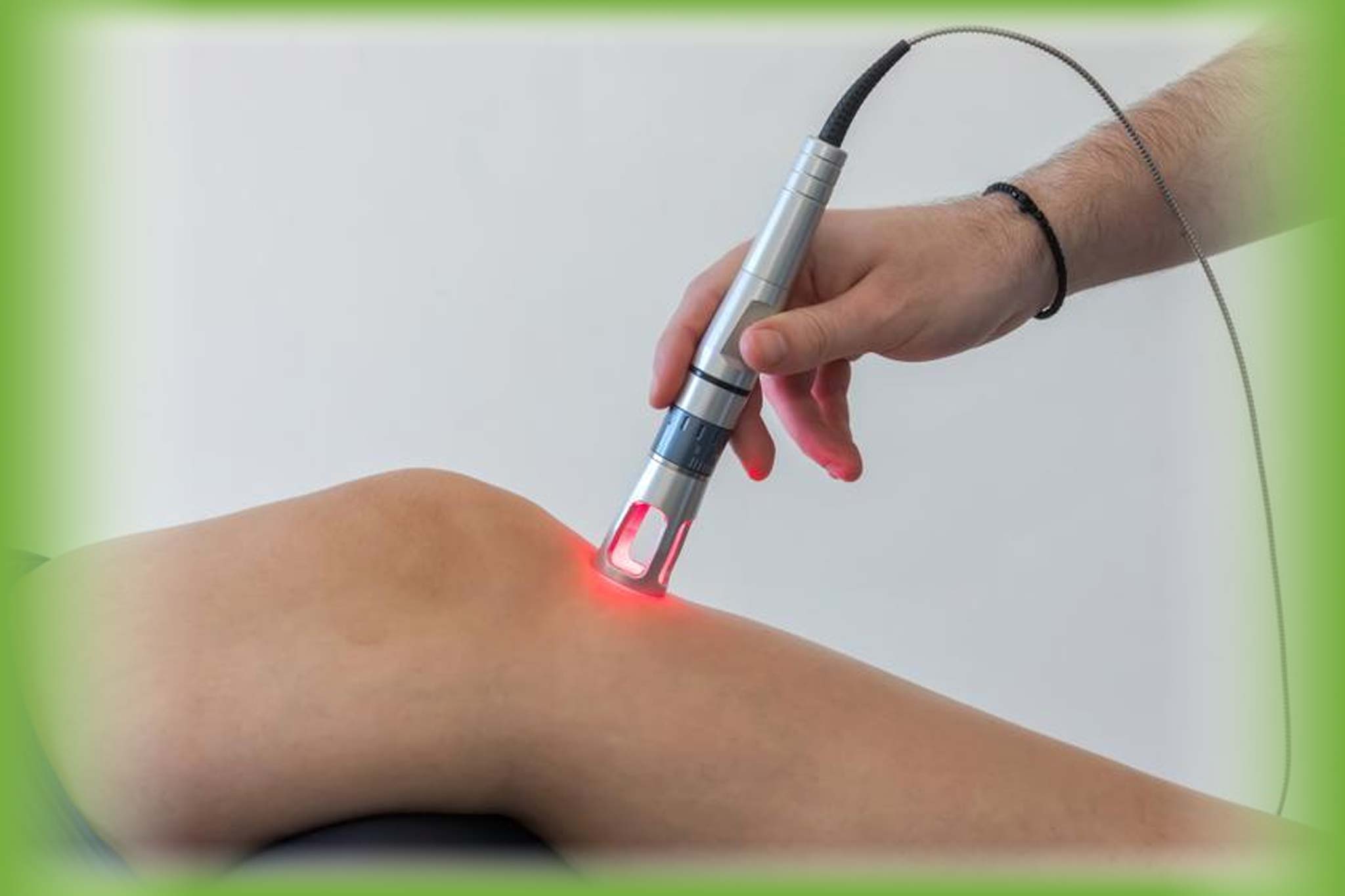
Ligament Injury Treatment
A ligament injury can shake your world — from sudden pain and swelling to trouble walking or bearing weight. Early care, proper diagnosis, and targeted treatment help reduce pain and protect your knee’s future mobility.
Causes of ACL Injury
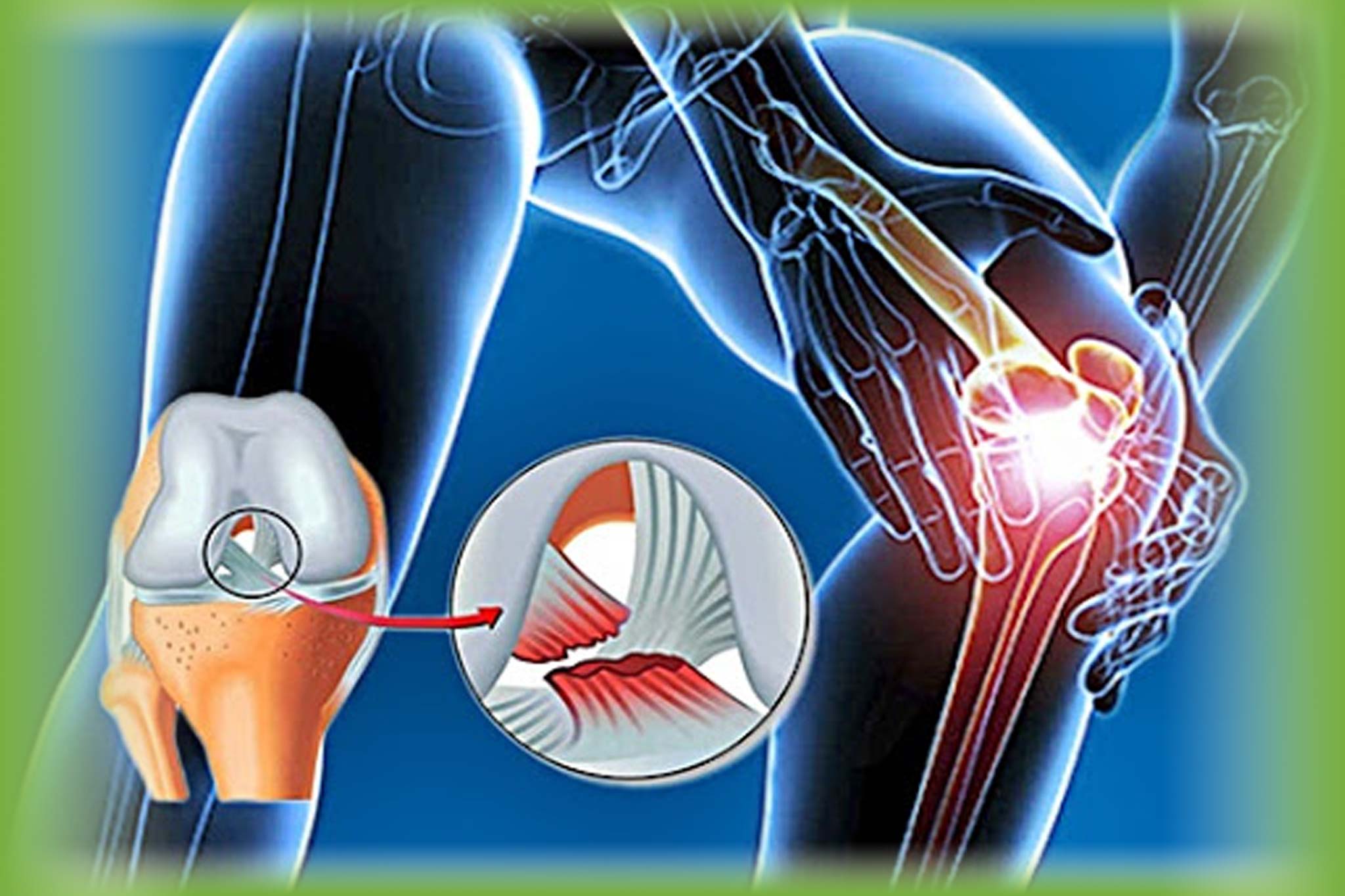
ACL injuries most often occur due to sudden twisting, awkward landings, or direct impact to the knee. These forces overstress the ligament, leading to pain, swelling, and joint instability that affects movement and balance.
Twisting or Landing Awkwardly
ACL tears often occur when the knee twists sharply or lands funny during sports or daily activity, stretching or tearing the ligament and causing immediate pain, swelling, and instability.
A Direct Blow to the Knee
A hard hit to the knee — common in contact sports or accidents — can strain or tear ligaments. This trauma may make walking painful, bring rapid swelling, and make the joint feel unstable.
Why Choose La Mano Regenerative Medical for ACL and Other Ligament Injuries?
Effective ligament care depends on accurate diagnosis, expert supervision, and structured rehabilitation. La Mano follows evidence-based recovery principles with advanced rehab systems, specialist oversight, and continuous follow-up.
Advanced Rehabilitation Facility with In-House Diagnostic Support
Our clinic offers comprehensive imaging and evaluation plus guided rehab therapy under one roof, helping pinpoint injury and begin healing quickly with precision and comfort.
Trusted Physicians and Ligament Injury Specialists
Led by Dr. Md. Shakil Younus and expert physiotherapist Md. Moneruzzaman, our team brings deep training and experience to every ligament injury case, ensuring safe, expert care.
Personalized Recovery Plans for Safe and Effective Healing
We tailor every plan to your goals, whether returning to sport or walking without pain, using structured therapy, follow-up monitoring, and gradual strength building.
Reducing the Risk of Arthritis After an ACL Injury
Early rehabilitation, strength restoration, and long-term movement training help protect knee cartilage after ACL injury. Ongoing monitoring supports joint stability and may lower the risk of early arthritis development.
Early Rehabilitation and Strength Restoration
Early guided rehab improves muscle balance and joint support, reducing abnormal wear that can lead to arthritis later, a goal stressed in long-term recovery.
Long-Term Joint Protection and Movement Training
Keeping joints stable through neuromuscular training helps protect cartilage and slow degeneration over time, lowering the chance of chronic arthritis.
Ongoing Monitoring of Knee Function and Stability
Follow-up helps ensure joint stability and function are restored, helping prevent long-term damage and preserving knee health for daily life and activity.
Non-Surgical Options for Serious Ligament Injuries
Many ligament injuries improve with non-surgical care such as physiotherapy, neuromuscular training, supportive therapies, and activity modification. These approaches aim to restore function while avoiding unnecessary surgery.
Structured Physiotherapy and Neuromuscular Training
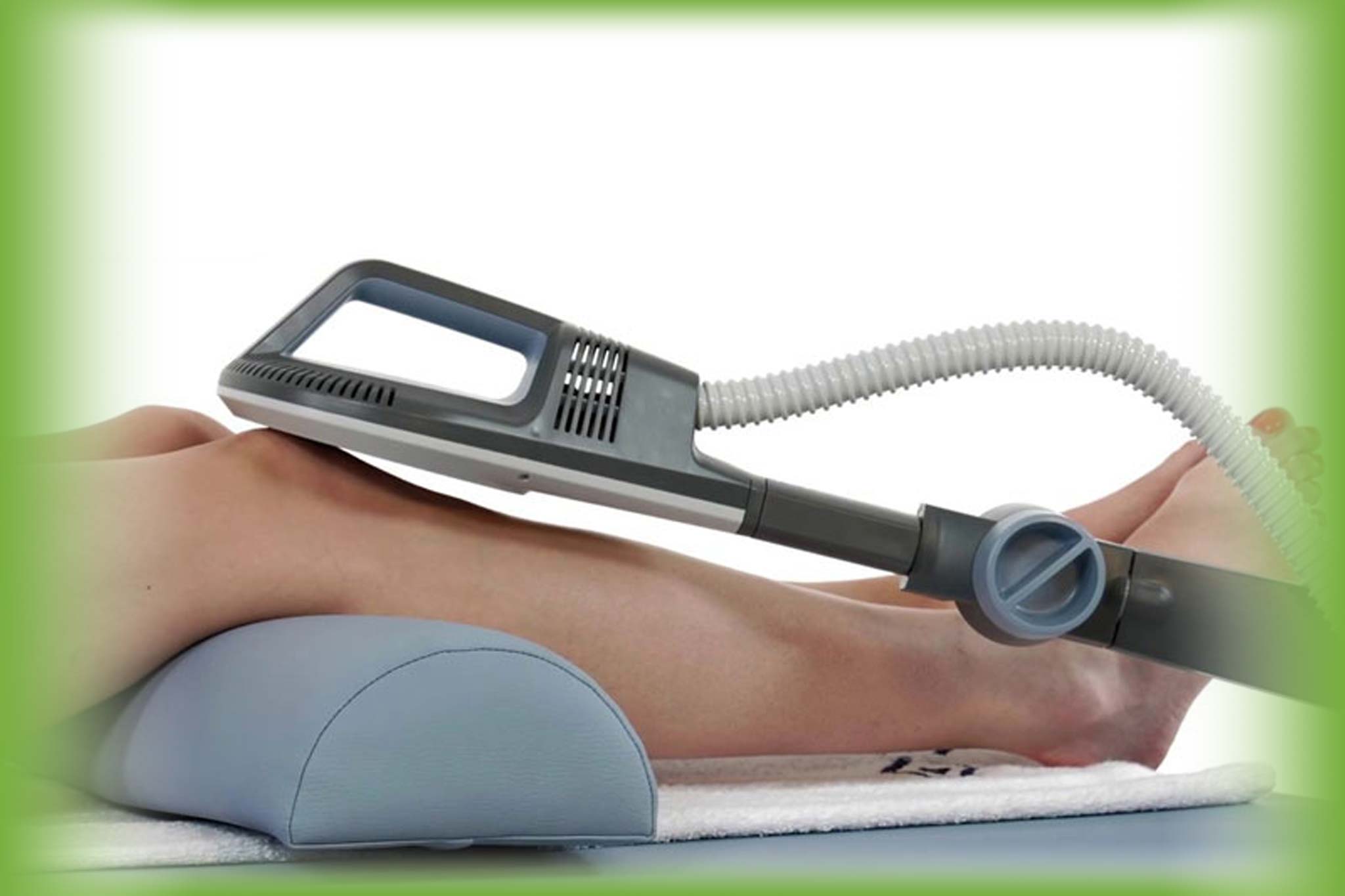
Guided physiotherapy builds strength and coordination around the injured ligament, easing pain and restoring movement without surgery for many people.
Regenerative and Supportive Therapies for Tissue Healing
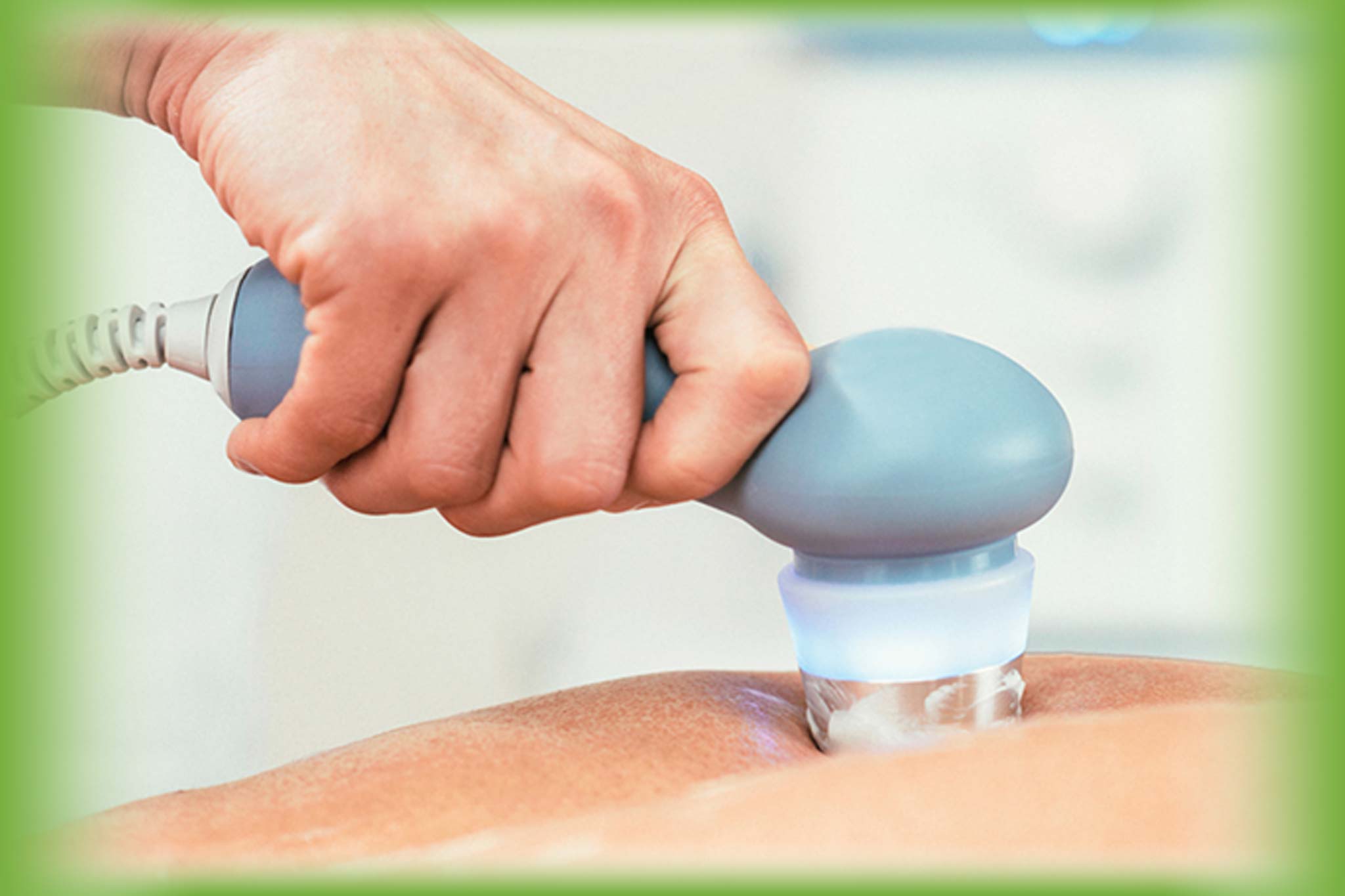
Incorporating advanced therapies can help calm inflammation and support tissue repair, making healing gentler and more effective when suitable.
Activity Modification and Functional Bracing When Needed
Using braces, guided movement limits, and careful activity adjustments protects healing tissue while keeping you active in safe ways.
Consultation
A ligament injury consultation includes clinical evaluation, discussion of symptoms, and a personalized recovery plan. Guided follow-up ensures progress is monitored and treatment adapts safely as healing improves.
Schedule a Ligament Injury Evaluation
Get a detailed examination of your knee pain, stability issues, and function so we can pinpoint the cause and recommend a clear path forward with care and confidence.
Comprehensive Assessment and Treatment Planning
Plan your recovery with a step-by-step, personalized strategy that balances therapy, lifestyle needs, and goals to help reduce pain and improve movement.
Guided Recovery with Follow-Up Care
Regular follow-ups ensure your knee heals well and your treatment updates with your progress, helping you stay safe on the road to recovery.