
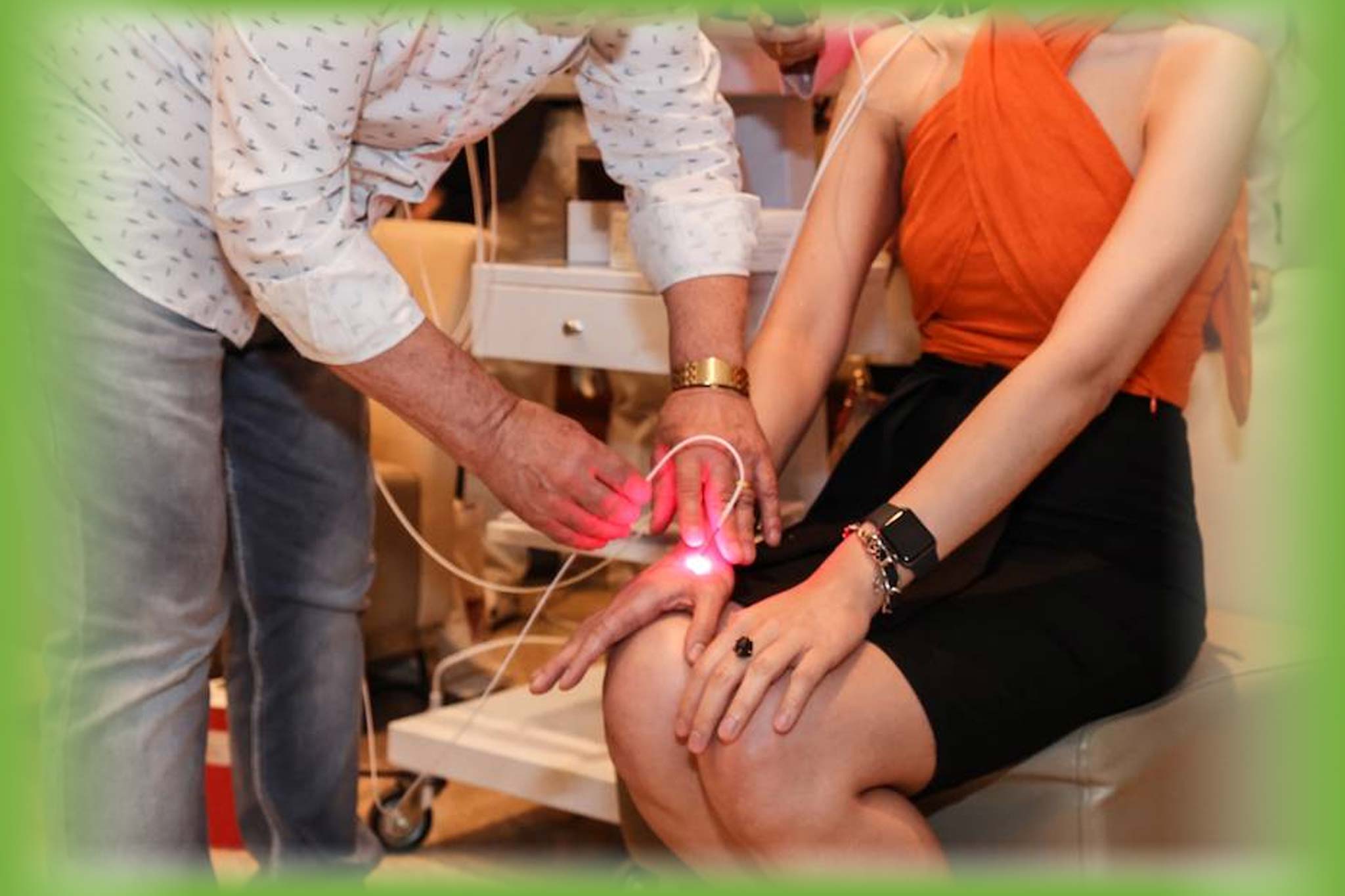
Wrist Joint Treatment In Dhaka
Wrist joint pain affects daily activities like gripping, typing, and lifting. According to leading medical centers, early evaluation and non-surgical treatment help reduce pain, restore movement, and prevent long-term joint damage.
What Are Common Wrist and Hand Joint Pain Conditions?
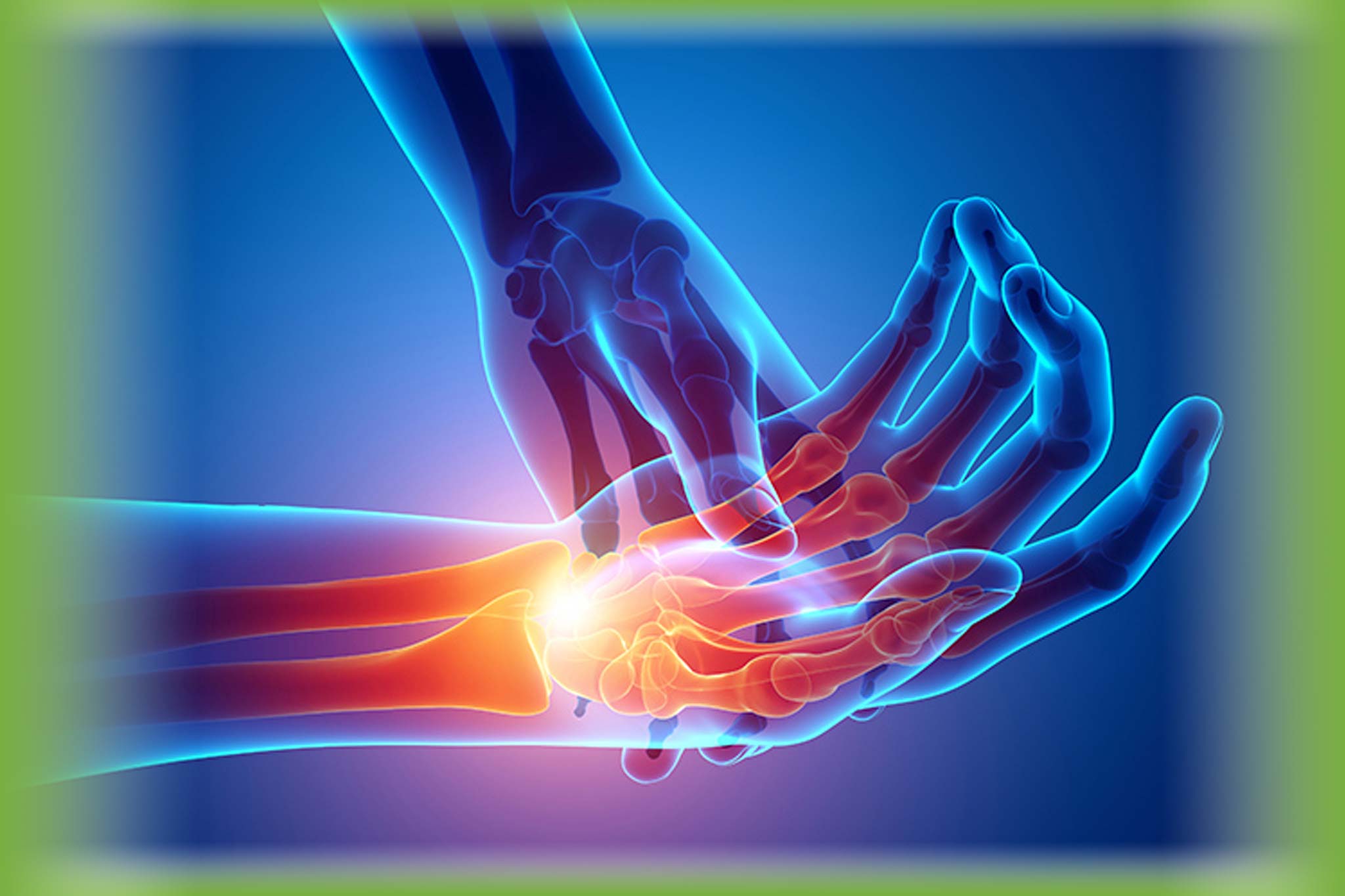
Wrist and hand pain often develops from repetitive strain, nerve compression, or joint degeneration such as arthritis. These conditions can cause pain, stiffness, numbness, and reduced hand function if not treated early.
Repetitive Strain Injuries
Repetitive wrist movements can irritate tendons and soft tissues, leading to pain, stiffness, and swelling. Mayo Clinic notes that activities like typing, lifting, or sports can cause overuse injuries requiring rest and guided therapy.
Nerve Compression Syndromes
Conditions like carpal tunnel syndrome occur when nerves are compressed at the wrist, causing numbness, tingling, and weakness. Cleveland Clinic explains that early treatment helps prevent permanent nerve damage and loss of hand function.
Arthritis and Degenerative Joint Changes
Arthritis can wear down cartilage in wrist joints, causing chronic pain, stiffness, and reduced motion. Mayo Clinic confirms that both osteoarthritis and rheumatoid arthritis commonly affect the wrist and require long-term management.
Why Choose La Mano for Wrist Pain?
Effective wrist care focuses on non-surgical therapy, advanced rehabilitation technology, and specialist-led follow-up. This approach helps reduce pain, restore movement, and monitor recovery safely over time.
Non-Surgical Options with Therapeutic Care
International guidelines recommend conservative treatment first for wrist pain. This includes physiotherapy, activity modification, and pain-relief therapies, which help restore function without surgery when properly guided.
Advanced Technology Support
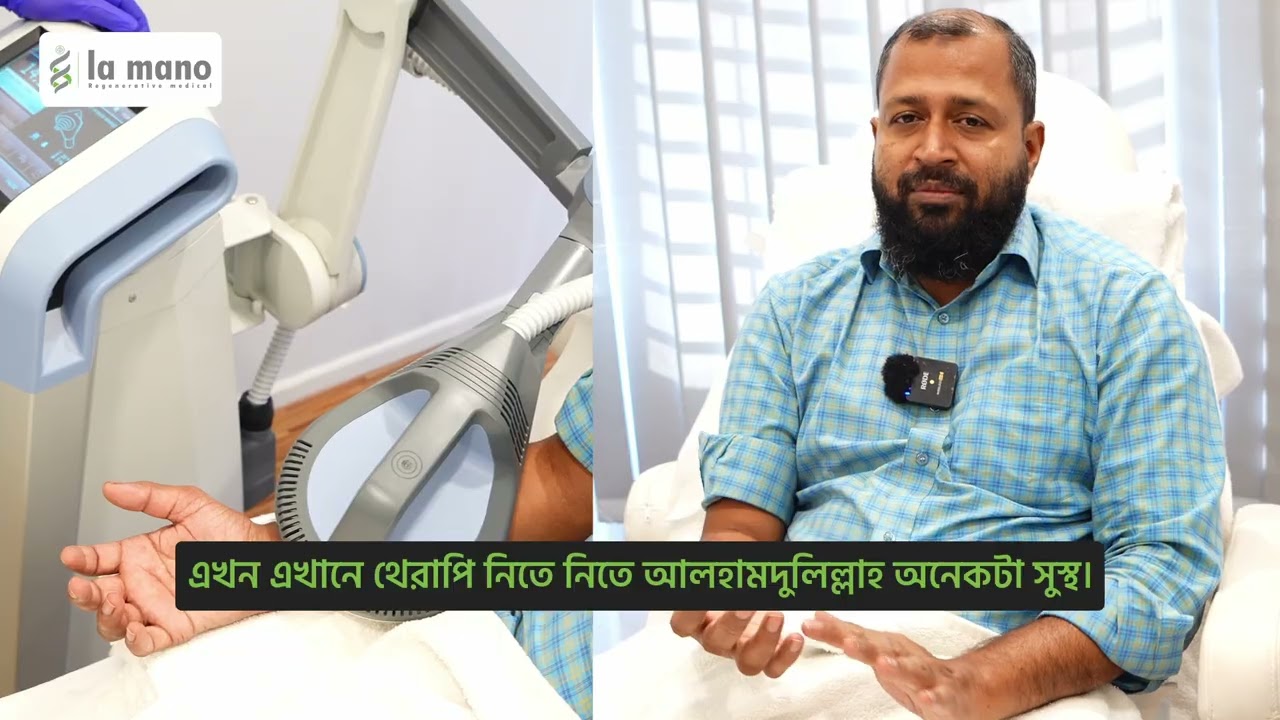
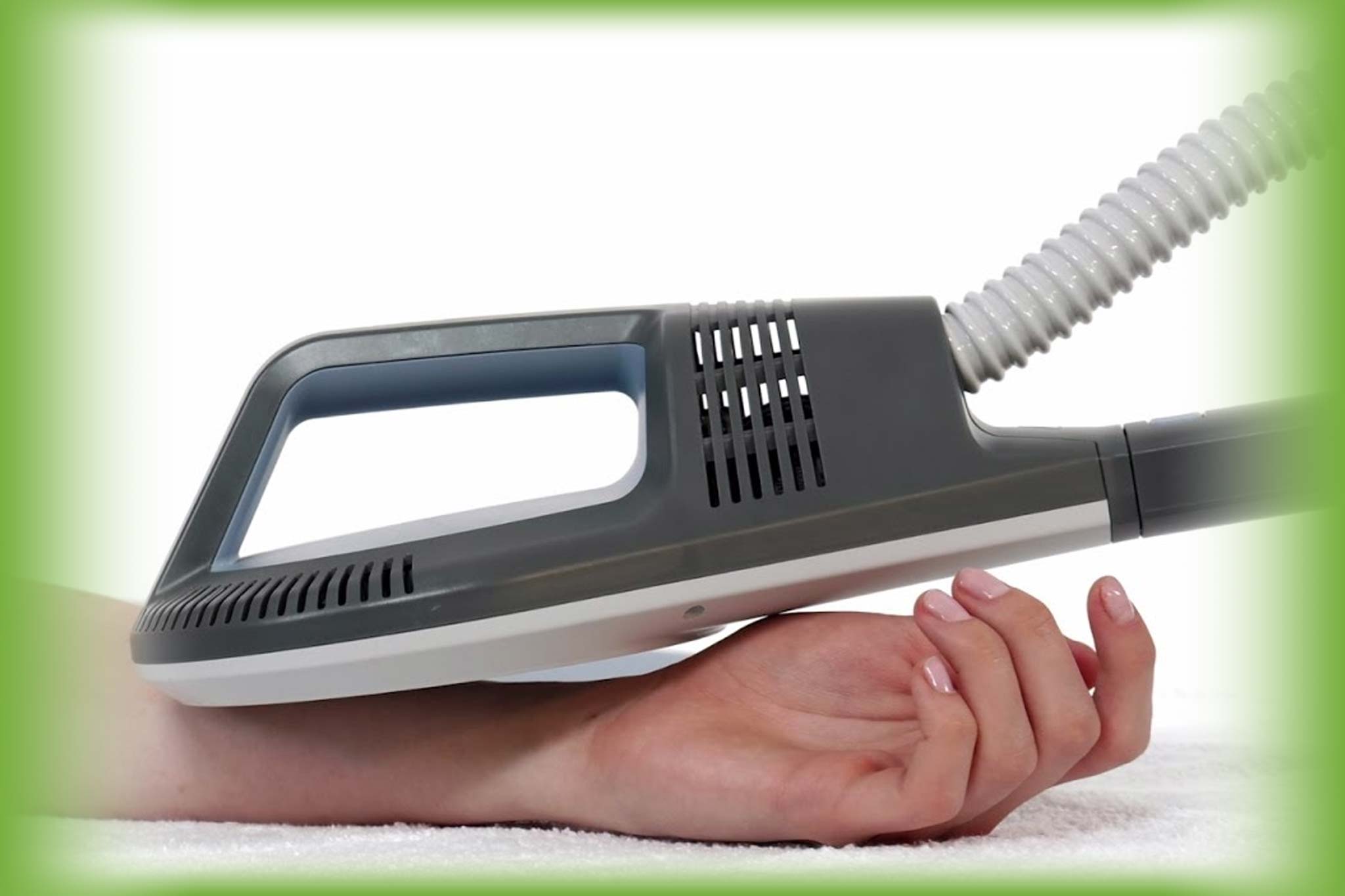
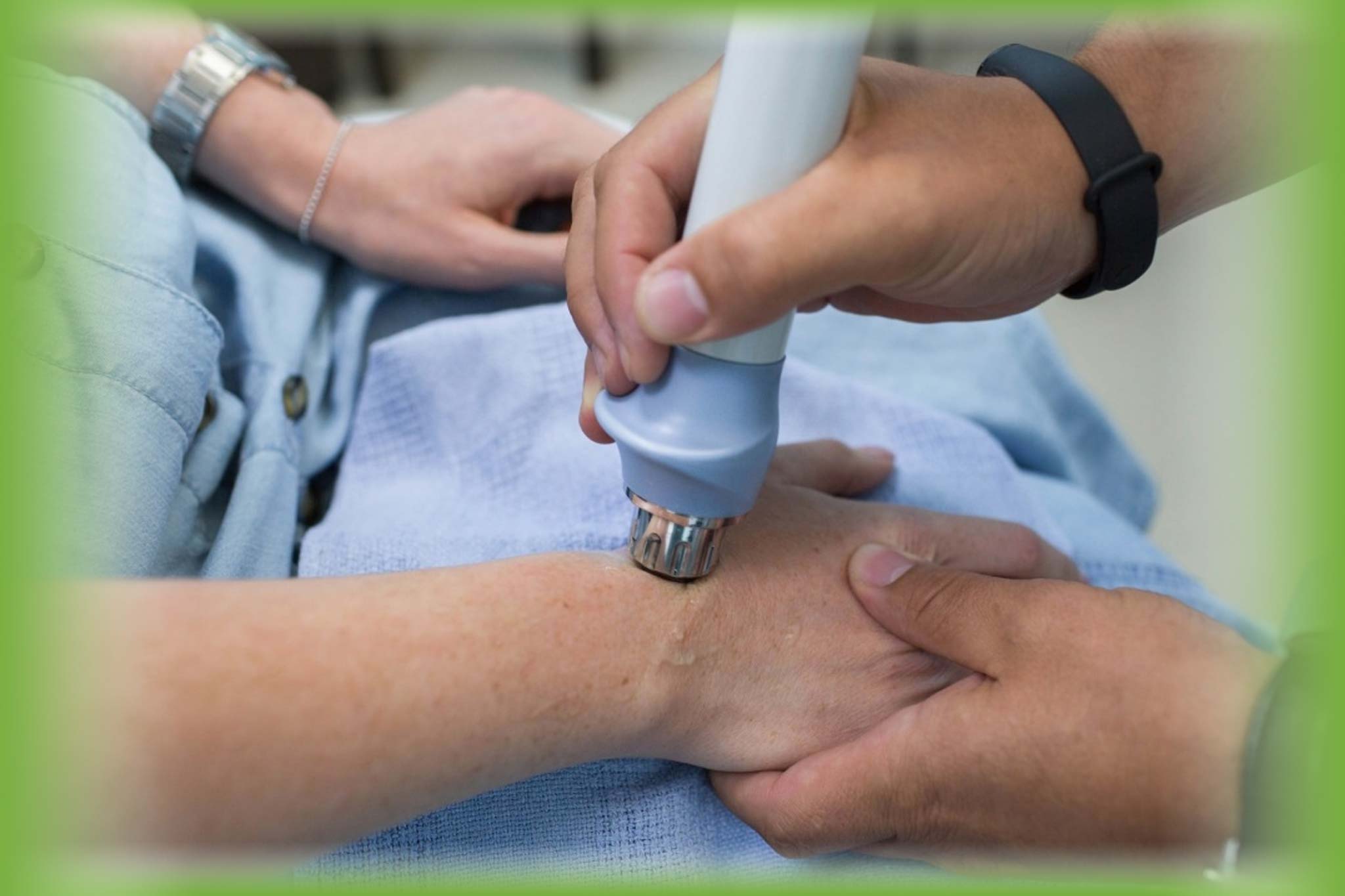
Medical centers use advanced therapeutic technologies to reduce pain and promote tissue healing. Modalities such as laser therapy, shockwave therapy, and electrotherapy are commonly integrated into structured rehabilitation programs. Combined with our specialized hand therapy services, these advanced treatments help restore strength, improve mobility, and create meaningful, life-changing improvements for patients in their daily activities and overall quality of life.
Experienced Team and Follow-Up
Mayo Clinic emphasizes specialist-led care and follow-up to monitor progress and prevent recurrence. Ongoing evaluation ensures therapy plans remain effective as wrist strength and mobility improve.
Non-Surgical Treatment Options for Wrist Pain
Most wrist conditions improve with non-surgical care such as physical therapy, rehabilitation exercises, and supportive measures like splints, which reduce stress on joints and promote natural healing.
Physical Therapy and Rehabilitation
Physical therapy focuses on improving strength, flexibility, and joint control. Cleveland Clinic highlights that guided exercises help reduce pain, restore function, and support safe return to daily and work activities.
Immobilization and Supportive Measures
Splints and braces reduce stress on injured wrist structures and allow healing. Mayo Clinic notes that temporary immobilization combined with therapy is often effective for pain relief and recovery.
How to Keep Your Wrist and Hand Healthy
Healthy wrists depend on ergonomic habits, regular breaks from repetitive work, and gradual strengthening and stretching exercises that support joints and reduce the risk of overuse injuries.
Breaks and Ergonomic Adjustments
Cleveland Clinic recommends regular breaks from repetitive tasks and proper wrist positioning to reduce strain and lower the risk of chronic wrist pain.
Gradual Strengthening and Stretching
Mayo Clinic notes that gentle stretching and strengthening exercises help support wrist joints, improve flexibility, and prevent overuse injuries when done consistently.
Schedule Your Wrist and Hand Evaluation
Specialist consultation allows accurate assessment of pain, movement, and function. Mayo Clinic emphasizes proper evaluation before starting any treatment plan.
Consultation
A wrist consultation includes professional evaluation, clear explanation of findings, and a personalized treatment plan designed to relieve pain, restore function, and support long-term recovery.
Schedule Your Wrist and Hand Evaluation
Specialist consultation allows accurate assessment of pain, movement, and function. Mayo Clinic emphasizes proper evaluation before starting any treatment plan.
What to Expect During Your First Appointment
Initial visits typically include medical history review, physical examination, and discussion of therapy options. Cleveland Clinic highlights this step as essential for safe care planning.
Schedule your joint pain Evaluation
ASSH explains that individualized plans based on diagnosis and patient needs lead to better outcomes, improved function, and reduced recurrence of wrist pain.