
Hip Pain Treatment in Dhaka
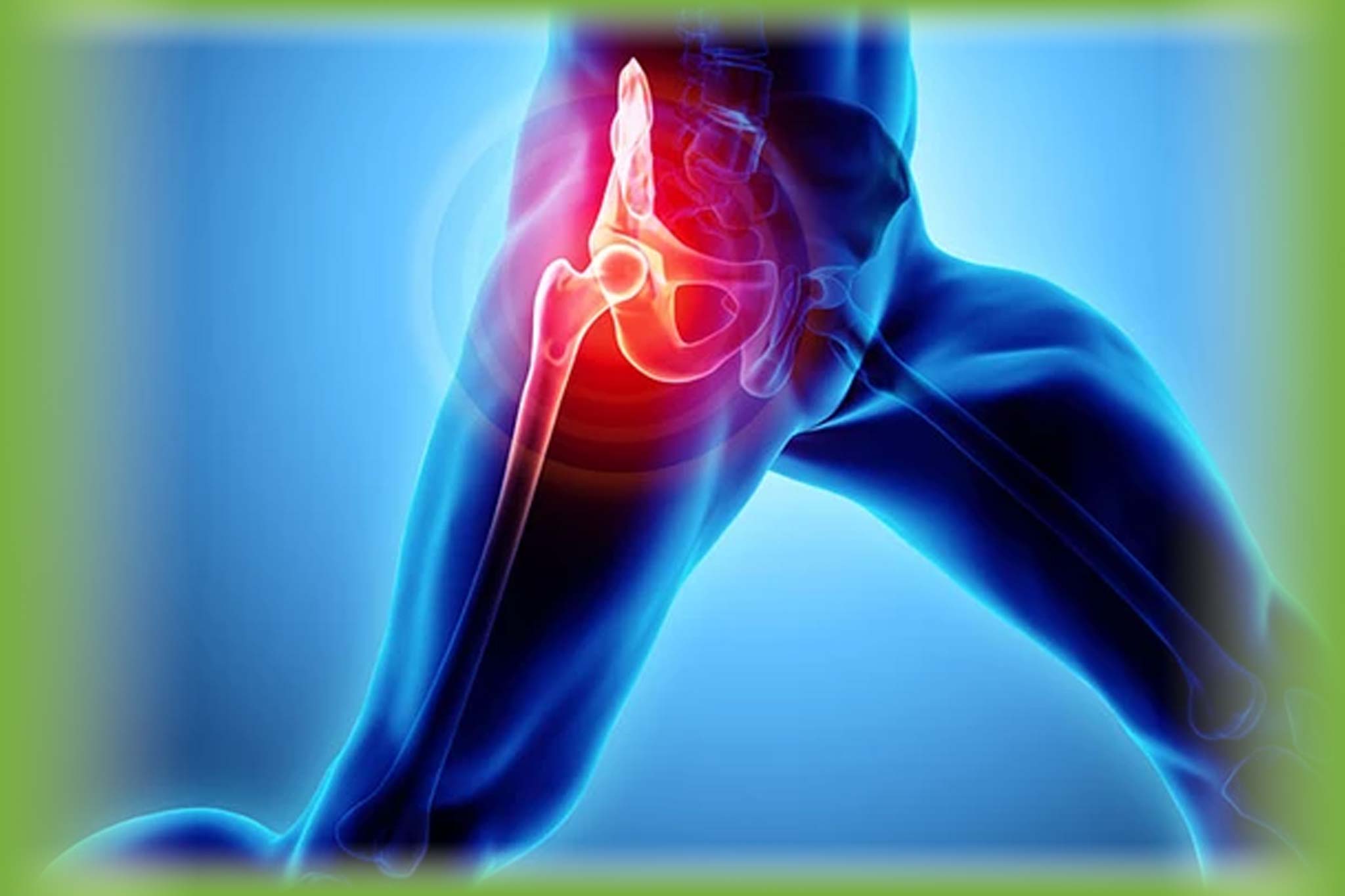
Hip joint pain is discomfort felt in or around the hip where the thigh bone meets the pelvis. This joint supports body weight and movement, so pain can affect walking, sitting, or sleeping. Causes range from muscle strain to arthritis, bursitis, or joint degeneration, and symptoms may worsen without proper care. Hip joint pain can gradually limit independence if ignored.
At La Mano Regenerative Medical, hip joint pain treatment in Dhaka focuses on accurate diagnosis, conservative rehabilitation, and evidence-based non-surgical care. International guidelines recommend early assessment and personalized therapy to reduce pain, restore movement, and prevent long-term joint damage.
Make Appointment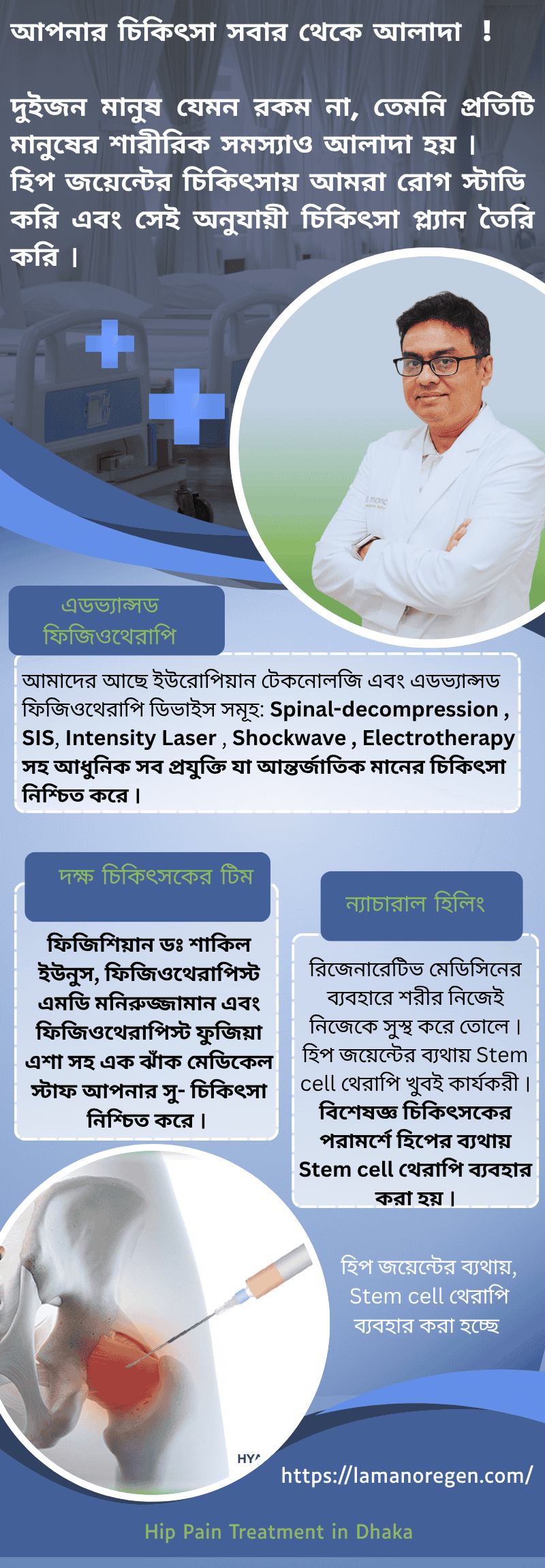
Hip Pain: Causes, Symptoms
Hip pain can significantly affect your ability to move, walk, or engage in everyday activities. Whether caused by injury, overuse, or a degenerative condition, hip pain can range from mild discomfort to severe, chronic pain. Understanding the causes, symptoms, and treatment options for hip pain is crucial to finding effective relief and improving your mobility.
Common Causes of Hip Pain:
Osteoarthritis : Osteoarthritis is one of the most common causes of hip pain, especially in older adults. It occurs when the cartilage that cushions the hip joint breaks down over time, causing pain, stiffness, and swelling in the joint. This condition can make it difficult to move the hip freely and comfortably.
Hip Bursitis : Hip bursitis is the inflammation of the bursae (fluid-filled sacs) in the hip, often caused by overuse or repetitive motion. This condition causes pain on the outer side of the hip, which can worsen with prolonged standing or walking.
Tendinitis : Tendonitis in the hip occurs when the tendons around the hip joint become inflamed, usually due to repetitive stress or overuse. It is often seen in athletes or individuals who engage in frequent physical activity.
Hip Labral Tears : A tear in the labrum, the cartilage that surrounds the hip joint, can cause pain, stiffness, and a feeling of instability. Labral tears are often caused by injury, trauma, or wear and tear from repetitive motion.
Femoroacetabular Impingement (FAI) : FAI occurs when there is an abnormal contact between the femur (thigh bone) and the acetabulum (the socket of the hip joint). This abnormal motion can lead to pain and damage to the cartilage, resulting in hip discomfort, especially with movement or exercise.
Fractures : Hip fractures, particularly in older adults, can result from falls or accidents. Fractures cause severe, immediate pain and usually require medical intervention, such as surgery.
Sciatica or Nerve Compression : Nerve compression, often from a herniated disc or spinal condition, can cause pain that radiates from the lower back to the hip, often leading to discomfort or a tingling sensation in the hip and leg.
Inflammatory Diseases: Conditions such as rheumatoid arthritis or ankylosing spondylitis can cause inflammation in the hip joint, leading to pain, stiffness, and loss of mobility over time.
Infection or Tumors: While rare, infections or tumors in or around the hip joint can cause pain and swelling that require immediate medical attention.
Symptoms of Hip Pain
Pain or discomfort in the hip joint or groin area
Stiffness or reduced range of motion, making it difficult to move or bend the hip
Swelling, bruising, or warmth around the hip area
Pain that worsens with walking, standing, or physical activity
A limp or difficulty bearing weight on the affected leg
Radiating pain to the thigh, knee, or lower back
Why Choose La Mano Regenerative for Hip Pain in Dhaka
La Mano Regenerative Medical follows globally accepted rehabilitation principles by combining physician-led diagnosis, physiotherapy, advanced technology, and regenerative options when appropriate. This integrated, non-surgical approach aligns with recommendations from leading orthopedic and rehabilitation institutions for managing chronic and activity-related hip joint pain.
Hip Joint Pain Specialist in Dhaka
Care is led by Dr. Md. Shakil Younus (MBBS, FCPS – Physical Medicine & Rehabilitation, BMDC Reg No: A41136), supported by Md. Moneruzzaman, Physiotherapist (BPT, CMPT) with advanced Neuro-MSK and manual therapy training. Specialist-guided care is widely shown to improve diagnosis accuracy and recovery outcomes.
Personalized Care for Every Patient
Every hip joint pain experience is different. At this Hip Joint Pain clinic in Dhaka, treatment plans are tailored based on symptoms, movement patterns, daily activity demands, and medical history. Personalized rehabilitation is strongly supported in clinical research for improving pain control and functional recovery.
In-House Diagnosis and Advanced Technology
Accurate diagnosis is essential for effective hip pain management. La Mano Regenerative Medical uses clinical assessment, functional evaluation, and supportive diagnostics to identify root causes. Advanced physiotherapy technologies such as Shockwave Therapy, High-Intensity Laser, and Super Inductive System are applied based on clinical need.
Our Treatment Options
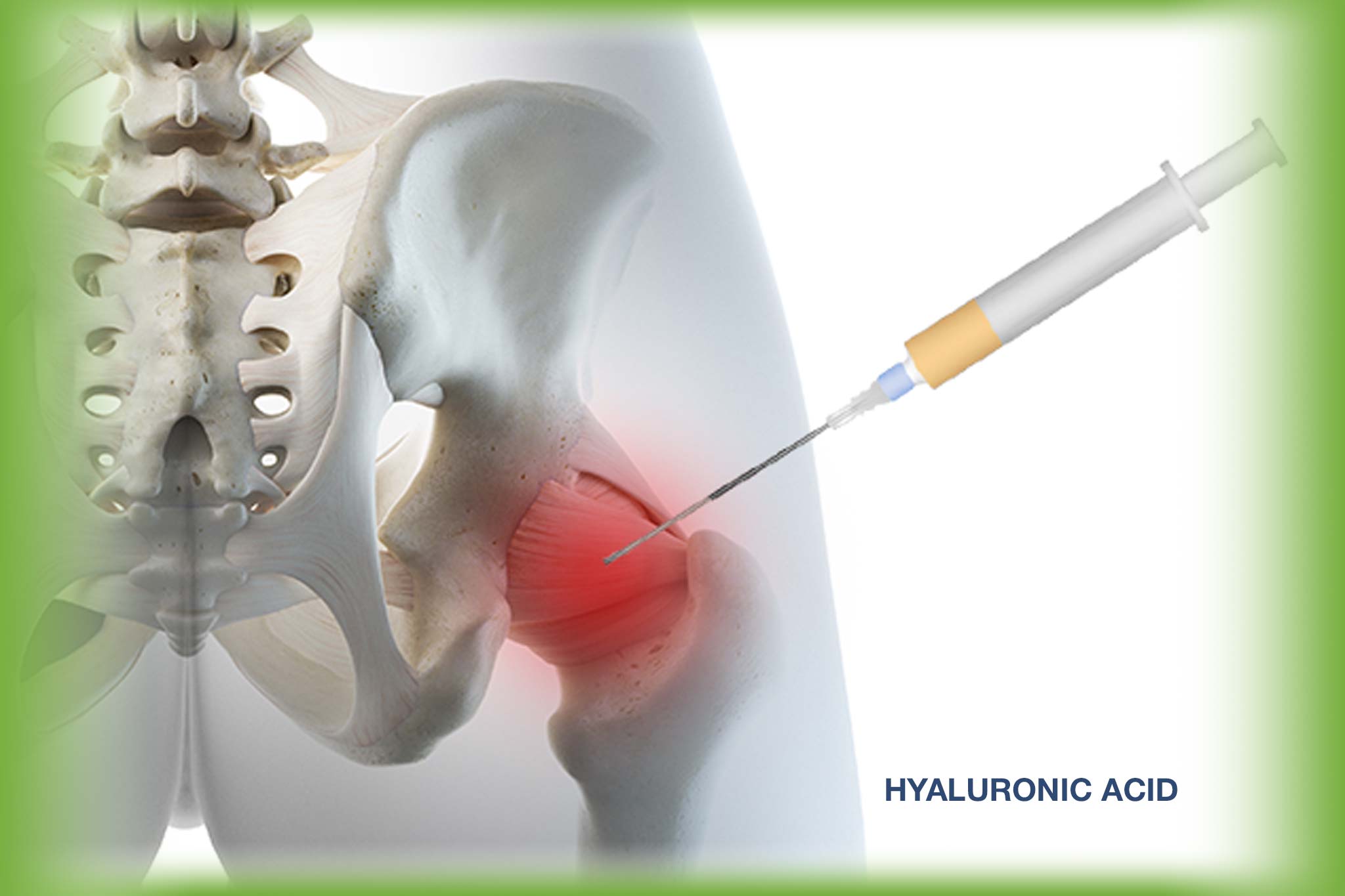
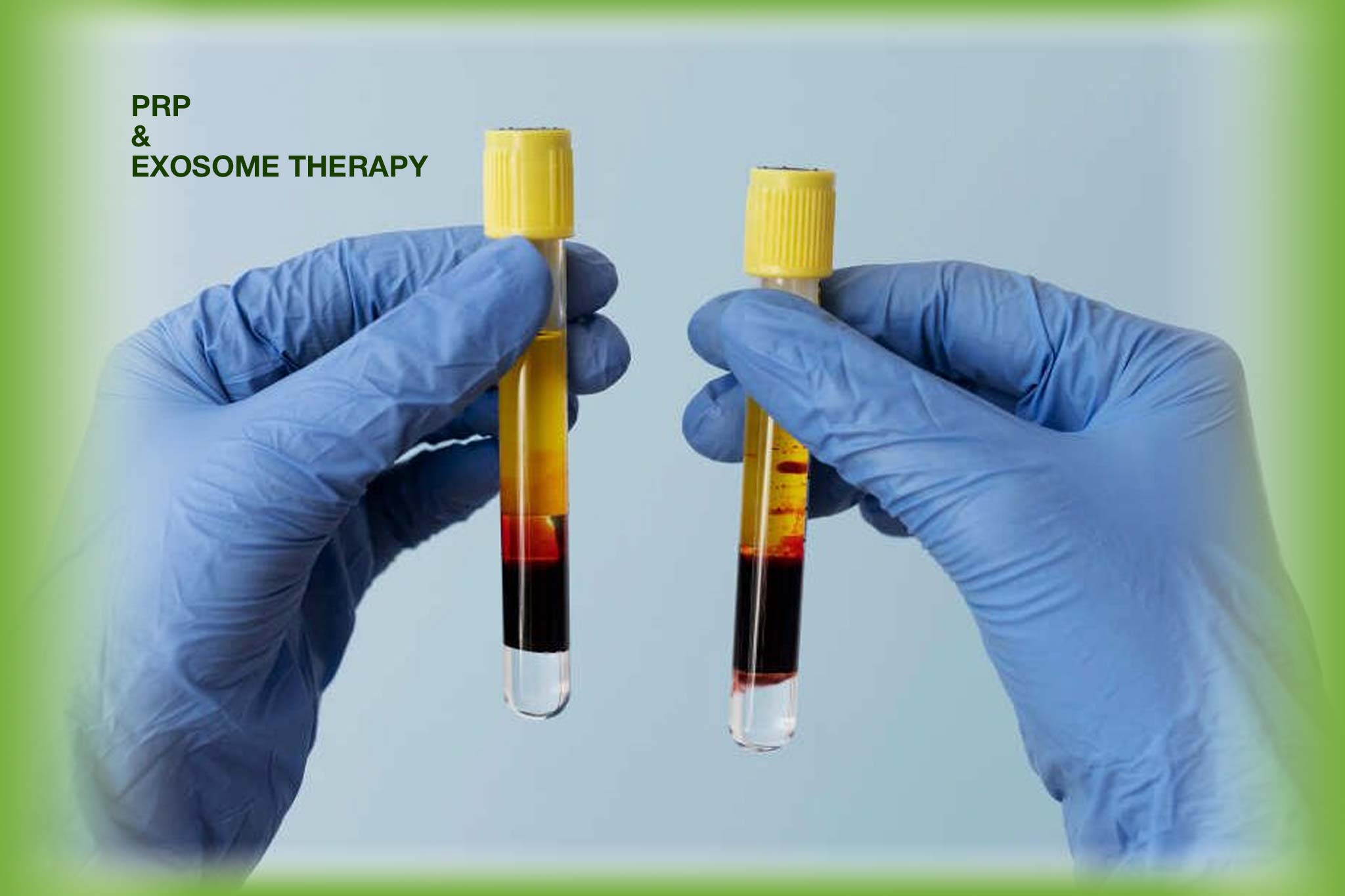
Hip joint pain treatment may include physiotherapy, pain-relieving modalities, and regenerative medicine when indicated. Physiotherapy improves strength, stability, and mobility. Regenerative therapies like PRP or hyaluronic acid are supported in selected cases by orthopedic studies. Laser therapy and electrotherapy help reduce inflammation and pain.
Consultation
Early consultation helps prevent worsening hip joint problems. Clinical guidelines recommend professional evaluation when pain affects walking, sleep, or daily tasks. At La Mano Regenerative Medical, consultation focuses on understanding your pain, activity limits, and goals to guide safe, evidence-based, non-surgical treatment planning.
Make AppointmentSchedule Your Hip Evaluation
Booking an appointment allows timely assessment by a Hip Joint Pain specialist in Dhaka. Early diagnosis is linked to better recovery outcomes and reduced need for invasive treatment, according to orthopedic and rehabilitation research.
What to Expect During Your First Visit
Your first visit includes a detailed medical history, physical examination, movement analysis, and diagnostic review if needed. This structured approach follows global musculoskeletal assessment standards to ensure treatment decisions are accurate and appropriate.
Personalized Recovery and Treatment Planning
After evaluation, you receive a customized recovery plan focused on pain reduction, joint protection, and functional improvement. Evidence shows individualized rehabilitation plans support long-term mobility and help patients return safely to daily and work activities.